
GST in India: Complete Guide to Goods and Services Tax, Registration & Compliance
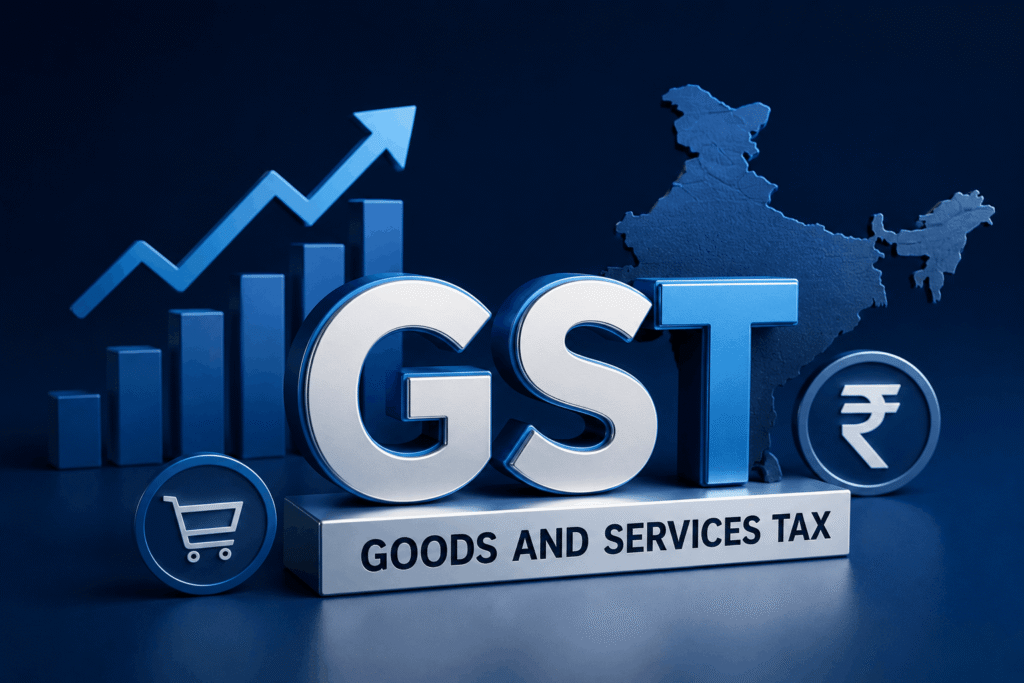
Goods and Services Tax (GST) is one of the most significant tax reforms introduced in India. Implemented on 1st July 2017, GST replaced multiple indirect taxes such as VAT, Service Tax, Excise Duty, and Central Sales Tax with a unified tax system. The primary objective of GST is to simplify taxation, improve transparency, reduce tax […]
GST in India: Complete Guide to Goods and Services Tax for Businesses and Individuals
The Goods and Services Tax (GST) is one of the most significant tax reforms introduced in India to simplify the indirect taxation system. Implemented on 1st July 2017, GST replaced multiple indirect taxes such as VAT, service tax, excise duty, entry tax, luxury tax, and several state-level taxes. The primary objective of GST was to […]
Startup Advisory Services: Business Growth, Legal Guidance, Funding, and Strategic Support for Startups

Startup advisory services play a crucial role in helping entrepreneurs transform innovative ideas into successful and scalable businesses. Starting a business involves multiple challenges related to company registration, funding, legal compliance, taxation, financial planning, business strategy, branding, and market competition. Startup advisors provide professional guidance and strategic support that help founders make informed decisions and […]
GST: Understanding Goods and Services Tax and Legal Compliance in India
Goods and Services Tax (GST) is one of the most significant tax reforms introduced in India to simplify the indirect taxation system. It replaced multiple taxes such as VAT, service tax, excise duty, and other state and central levies with a unified tax structure. GST has transformed the way businesses operate by creating a single […]
GST: Understanding Goods and Services Tax, Compliance, and Business Benefits
Goods and Services Tax (GST) is one of the most significant tax reforms in India, introduced to simplify the indirect tax system and create a unified national market. It replaced multiple indirect taxes such as VAT, service tax, excise duty, and entry tax, bringing them under one structured tax framework. GST affects manufacturers, traders, service […]
GST in India: Understanding Goods and Services Tax and Its Business Impact
Goods and Services Tax (GST) is one of the most significant tax reforms introduced in India to simplify the indirect taxation system. Implemented on 1st July 2017, GST replaced multiple indirect taxes such as VAT, Service Tax, Excise Duty, Central Sales Tax, and several state-level taxes. The primary objective of GST is to create a […]
GST: Understanding Goods and Services Tax, Compliance, and Business Benefits
Goods and Services Tax (GST) is one of the most significant tax reforms in India, introduced to simplify the indirect tax system and create a unified national market. It replaced multiple indirect taxes such as VAT, service tax, excise duty, and entry tax, bringing them under one structured tax framework. GST affects manufacturers, traders, service […]
GST (Goods and Services Tax)
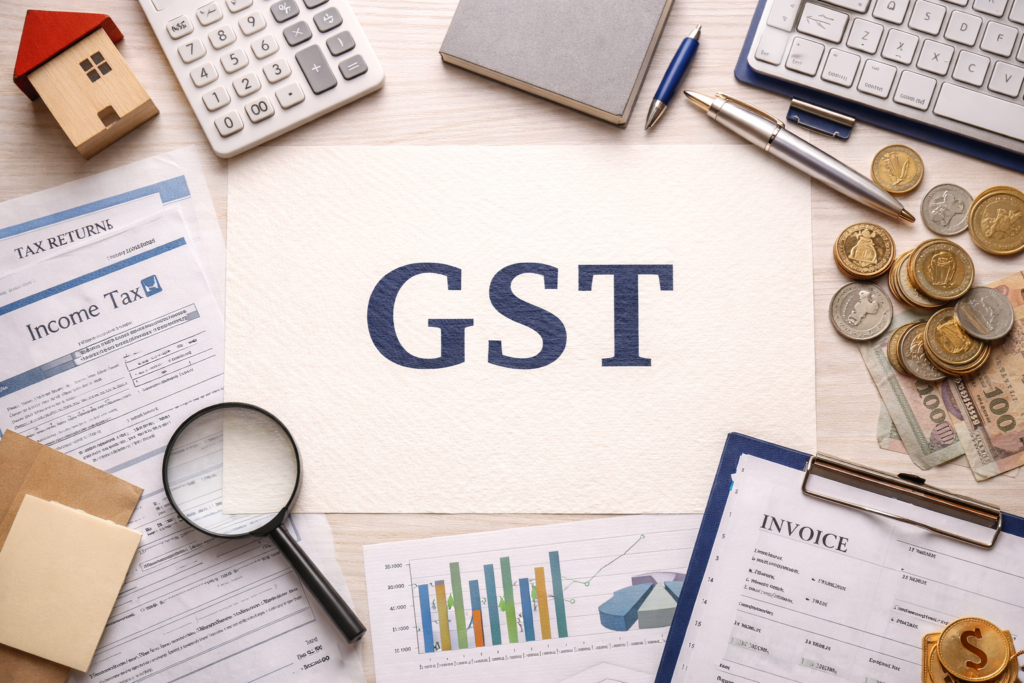
GST, or Goods and Services Tax, is one of the most significant tax reforms in India. It is a unified indirect tax system introduced to replace multiple indirect taxes such as VAT, service tax, excise duty, and entry tax. GST was implemented to create a single national market, simplify tax compliance, and improve transparency in […]
Goods and Services Tax (GST): A Complete Guide for Businesses in India
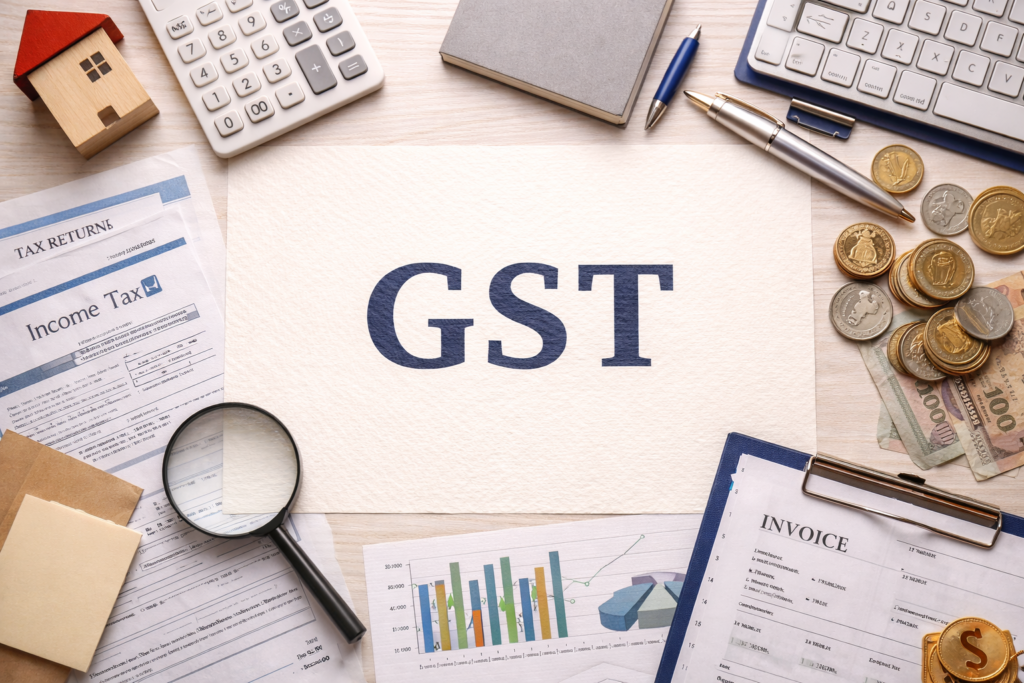
Goods and Services Tax (GST) is one of the most significant tax reforms in India, designed to simplify the indirect taxation system by replacing multiple taxes with a single unified tax. Introduced on 1 July 2017, GST has streamlined the tax structure, improved compliance, and created a common national market. What is GST? GST […]
GST (Goods and Services Tax) – Complete Guide (India)
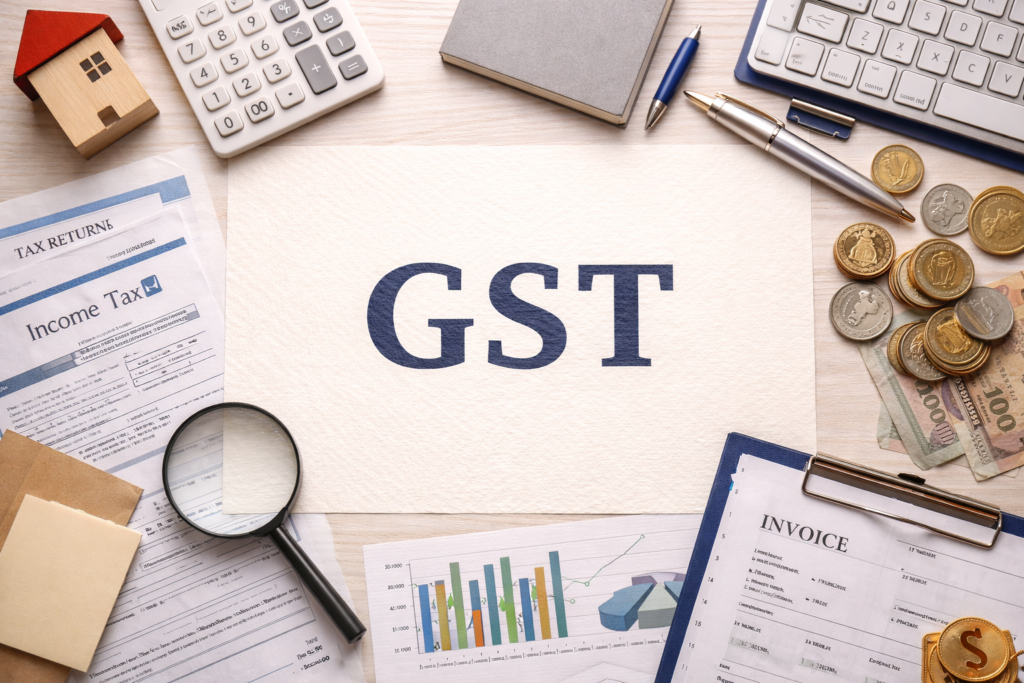
Goods and Services Tax (GST) is one of the most significant tax reforms in India, introduced to unify the country’s indirect tax system. It replaced multiple cascading taxes like VAT, service tax, excise duty, and others with a single, comprehensive tax structure. GST aims to create a transparent, efficient, and business-friendly tax regime that […]