
GST in India: Complete Guide to Goods and Services Tax, Registration & Compliance
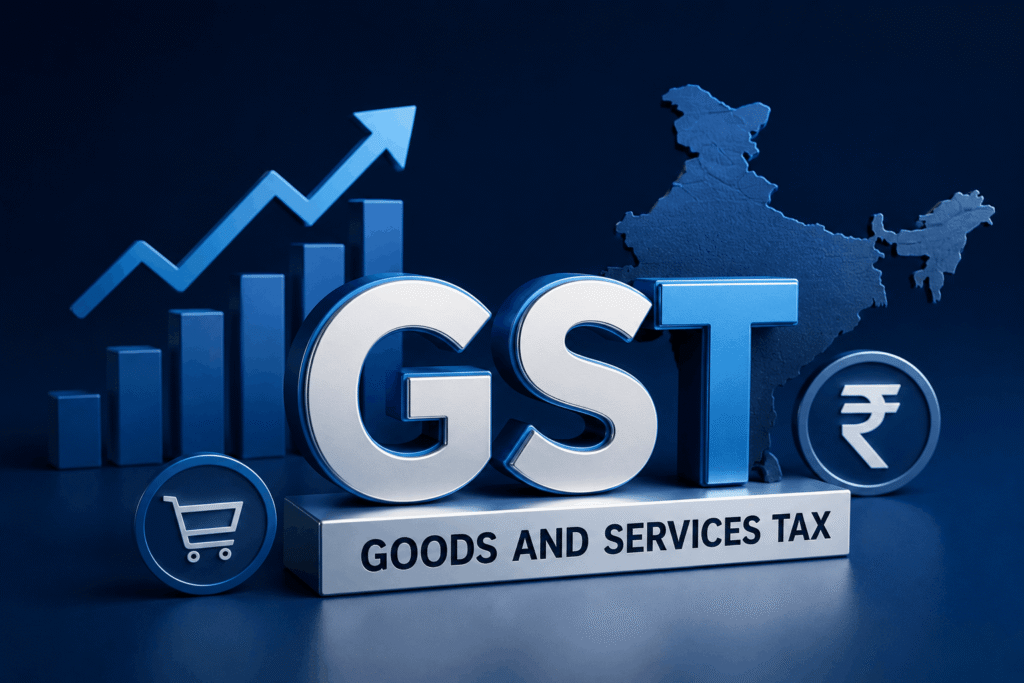
Goods and Services Tax (GST) is one of the most significant tax reforms introduced in India. Implemented on 1st July 2017, GST replaced multiple indirect taxes such as VAT, Service Tax, Excise Duty, and Central Sales Tax with a unified tax system. The primary objective of GST is to simplify taxation, improve transparency, reduce tax […]
Income Tax: Understanding Taxation, Compliance, and Financial Responsibility

Income tax is one of the most important components of a country’s financial system. It is a direct tax imposed by the government on the income earned by individuals, businesses, professionals, companies, and other entities during a financial year. In India, income tax plays a major role in national development by funding public infrastructure, healthcare, […]
GST in India: Complete Guide to Goods and Services Tax for Businesses and Individuals
The Goods and Services Tax (GST) is one of the most significant tax reforms introduced in India to simplify the indirect taxation system. Implemented on 1st July 2017, GST replaced multiple indirect taxes such as VAT, service tax, excise duty, entry tax, luxury tax, and several state-level taxes. The primary objective of GST was to […]
GST: Understanding Goods and Services Tax and Legal Compliance in India
Goods and Services Tax (GST) is one of the most significant tax reforms introduced in India to simplify the indirect taxation system. It replaced multiple taxes such as VAT, service tax, excise duty, and other state and central levies with a unified tax structure. GST has transformed the way businesses operate by creating a single […]
Income Tax in India: Complete Guide to Rules, Compliance, and Legal Aspects

Income tax is one of the most important sources of revenue for the Government of India. It is a direct tax levied on the income earned by individuals, businesses, and other entities during a financial year. Understanding income tax laws is essential for proper financial planning, legal compliance, and avoiding penalties. In India, income tax […]
Income Tax: Understanding Tax Compliance and Financial Responsibility

Income Tax is one of the most important parts of a country’s financial system. It is a direct tax imposed by the government on the income earned by individuals, businesses, professionals, and other entities. The money collected through income tax helps the government fund public services such as education, healthcare, infrastructure, defense, and welfare schemes. […]
GST: Understanding Goods and Services Tax, Compliance, and Business Benefits
Goods and Services Tax (GST) is one of the most significant tax reforms in India, introduced to simplify the indirect tax system and create a unified national market. It replaced multiple indirect taxes such as VAT, service tax, excise duty, and entry tax, bringing them under one structured tax framework. GST affects manufacturers, traders, service […]
GST in India: Understanding Goods and Services Tax and Its Business Impact
Goods and Services Tax (GST) is one of the most significant tax reforms introduced in India to simplify the indirect taxation system. Implemented on 1st July 2017, GST replaced multiple indirect taxes such as VAT, Service Tax, Excise Duty, Central Sales Tax, and several state-level taxes. The primary objective of GST is to create a […]
Income Tax: Understanding Tax Compliance and Financial Responsibility

Income Tax is one of the most important parts of a country’s financial system. It is a direct tax imposed by the government on the income earned by individuals, businesses, professionals, and organizations. Income tax plays a major role in funding public services such as healthcare, education, infrastructure, defense, and welfare schemes. For taxpayers, understanding […]
GST: Understanding Goods and Services Tax, Compliance, and Business Benefits
Goods and Services Tax (GST) is one of the most significant tax reforms in India, introduced to simplify the indirect tax system and create a unified national market. It replaced multiple indirect taxes such as VAT, service tax, excise duty, and entry tax, bringing them under one structured tax framework. GST affects manufacturers, traders, service […]